
A small business website doesn’t have one standard price because the work behind it can vary enormously. A simple site with supplied copy and a contact form is a different project from an online shop, a booking website or a site that needs new photography, writing and integrations. The useful question is what your business needs the website to achieve, and what is included in the quote.
If you have received prices that seem miles apart, you aren’t necessarily comparing the same job. One quote may cover a template and a few pages. Another may include research, content planning, design, setup, testing and ongoing support. Understanding the difference makes it much easier to spend confidently.
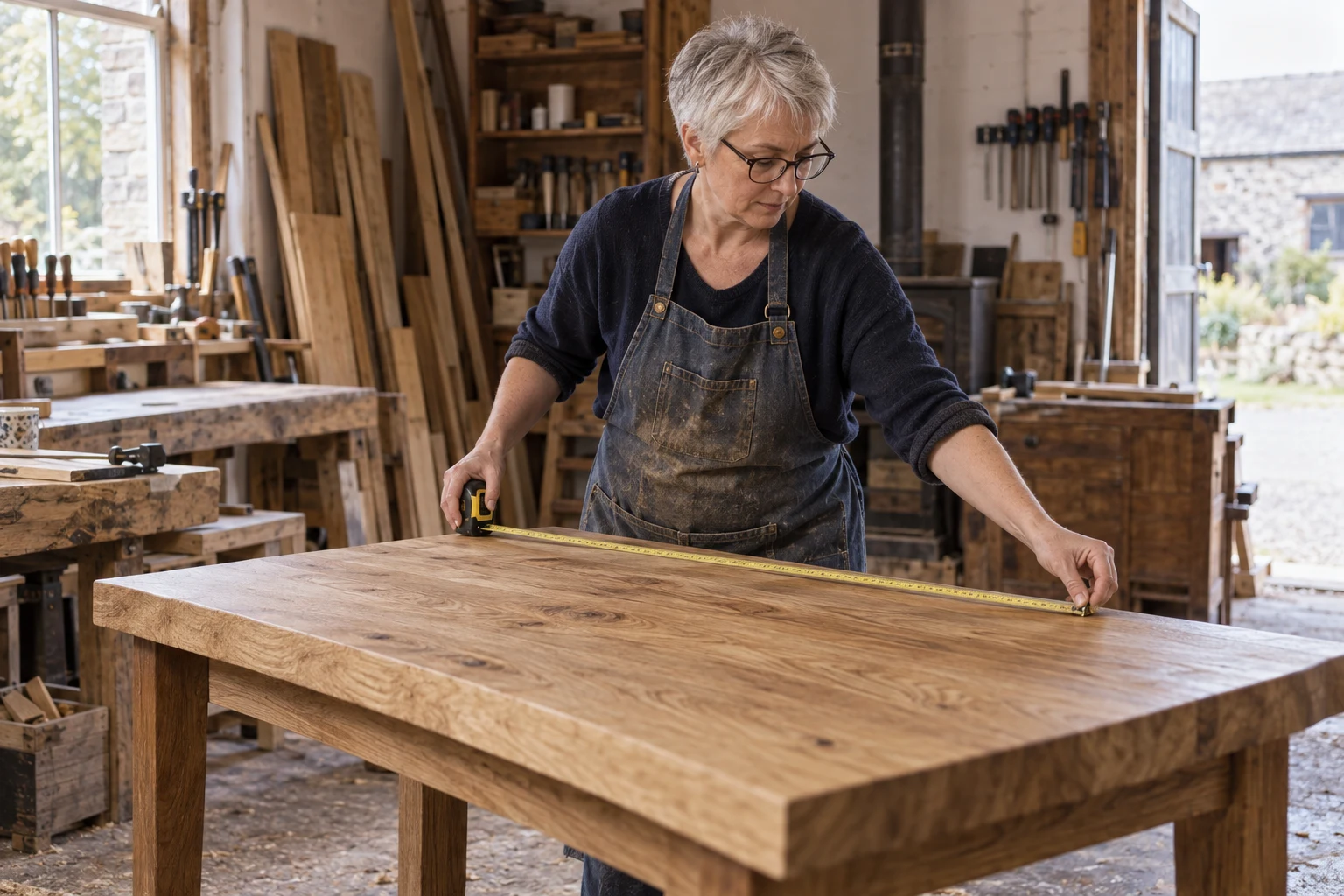
Think of it like commissioning a piece of furniture. The dimensions matter, but so do the materials, finish, fittings and how it will be used. Counting website pages alone doesn’t tell you the full scope.
Start with the commercial purpose
Before asking for a quote, write one sentence describing the website’s main job. For example: “Help homeowners in our service area understand our renovation work and request a suitable quote.” That gives a designer a clearer starting point than “We need something modern.”
Then identify the action that represents progress. It could be an enquiry, a booking or a purchase. Different actions require different information and functionality. A website should make that action easier for the customers you want, not simply add more things to a menu.
You can have secondary goals, but give the project a clear first priority. This helps you decide which features belong at launch and which can wait.
Understand what changes the price
Content is a major part of a useful website. Someone needs to decide what to say, gather accurate information, write it clearly and organise it into pages. If you supply finished content, ask what review and editing are included. If the agency writes it, ask how they learn about your business.
Design work also varies. Adapting an established layout takes a different amount of work from developing a custom design system. Neither approach is automatically right for every business. Ask how the proposed design will support your offer and customer journey.
Functionality adds its own work. Booking systems, e-commerce, calculators, membership areas and connections to other tools need configuration and testing. Be clear about which system will own the data and who supports the connection afterwards.
Compare quotes using the same brief
Send each supplier the same outline of your business, target customers, services and required functions. Include examples of sites you like and explain what you like about them. “The services are easy to compare” is more useful than “It looks premium.”
Ask each supplier to separate the main build from optional extras. Request a clear list of pages, content responsibilities, revision stages and testing. You should be able to understand what will be delivered without needing to know how to code.
If one quote is much lower, ask which work it assumes you will do. If another is much higher, ask which additional work will make a meaningful difference to your business. The answers should help you compare value rather than just totals.
Remember the costs after launch
A website normally has running costs as well as a build cost. These may include the domain, hosting, software licences, care and support. Online shops and booking systems can involve additional platform or transaction charges. Ask for the recurring amounts and whether VAT is included where applicable.
Separate keeping the site running from actively marketing it. Hosting doesn’t automatically include SEO, advertising management or regular content. Equally, a marketing retainer may not include development work. Clear boundaries prevent a surprisingly common misunderstanding after launch.
Ask what happens at renewal and what happens if you leave. You should know who controls the domain, who can access the site and how you obtain your content and data.
Use a simple return calculation
A website’s value depends on the business it helps you win and serve. You can explore that with an illustrative calculation. Suppose the project costs £3,000 and an additional job contributes £600 after the direct costs of delivering it. Five additional jobs would cover that initial build cost before other marketing and running costs.
Those figures are an example, not a Hart & Forge quote or an industry average. Replace them with your own contribution per job, rather than using sales revenue alone. Then ask whether the website can realistically help create that additional work over a sensible period.
This doesn’t prove what a website will earn. It gives you a clearer way to discuss priorities. Improving suitable enquiries may be more valuable than adding a feature that customers rarely use.
Spend first on what customers need
For many service businesses, the first priorities are clear service pages, convincing evidence, a useful mobile experience and a reliable enquiry process. For an online store, product information, delivery clarity and checkout deserve attention. A B&B needs accurate room information and a booking journey people can follow.
You don’t need to launch every future idea at once. Keep a second-phase list and ask the agency what can be added without rebuilding the foundations. That helps you protect the budget while leaving room to grow.
Be cautious about removing essential testing to fit in an extra visual effect. A straightforward page that works well on a customer’s phone can be more valuable than a more elaborate page that is difficult to use.
Ask about maintenance and ownership
Find out who handles software updates, backups and problems after launch. Ask how an urgent issue is reported, what response is included and which work costs extra. A monthly plan should describe an actual service rather than simply carry a reassuring name.
WordPress explains that a recoverable website backup needs both files and the database. In a project discussion, the useful questions are who keeps those backups and whether a restoration has been tested.
Also ask for a practical handover. You should be able to update the everyday information you intend to manage, with access that belongs to your business and instructions you can follow.
A brief you can prepare today
Write down your three main services, the customers you want to attract, the area you cover and the action visitors should take. List the content and photographs you already have. Then separate essential functionality from ideas that can follow later.
Add a realistic launch target and name the person who will approve the work. This short document can make quotes more accurate and reduce delays caused by missing decisions.
Is a cheaper website always poor value?
No. A smaller, clearly scoped build can be exactly right. The important question is whether the proposed work covers your actual requirements and gives you a website you can use and maintain.
Does paying more guarantee more enquiries?
No. Results also depend on your offer, visibility, market, evidence and follow-up. Ask how the project addresses those factors and how you will assess its performance after launch.
If you’d like a clear scope before committing, speak to Hart & Forge about your website project. We can help you work out what belongs in the first build and what can sensibly wait.